

Understanding Perth’s Water
What’s Really Coming Through Your Taps?
Perth Water - Safe but not always ideal.

Perth's drinking water is safe and treated to Australian standards. However, the unique water sources used in Western Australia mean many homes experience issues that whole-home filtration can help improve.
Perth's drinking water is treated and regulated under the Australian Drinking Water Guidelines, ensuring it is safe for consumption.
However, safety standards focus primarily on health risks, not always on the taste, mineral content, or aesthetic quality of water.
For this reason, many homeowners choose filtration to improve:
Taste and odour
Chlorine exposure in showers
Mineral scale build-up
Overall water quality throughout the home
Sediment and small particles
Common Characteristics of Perth Water
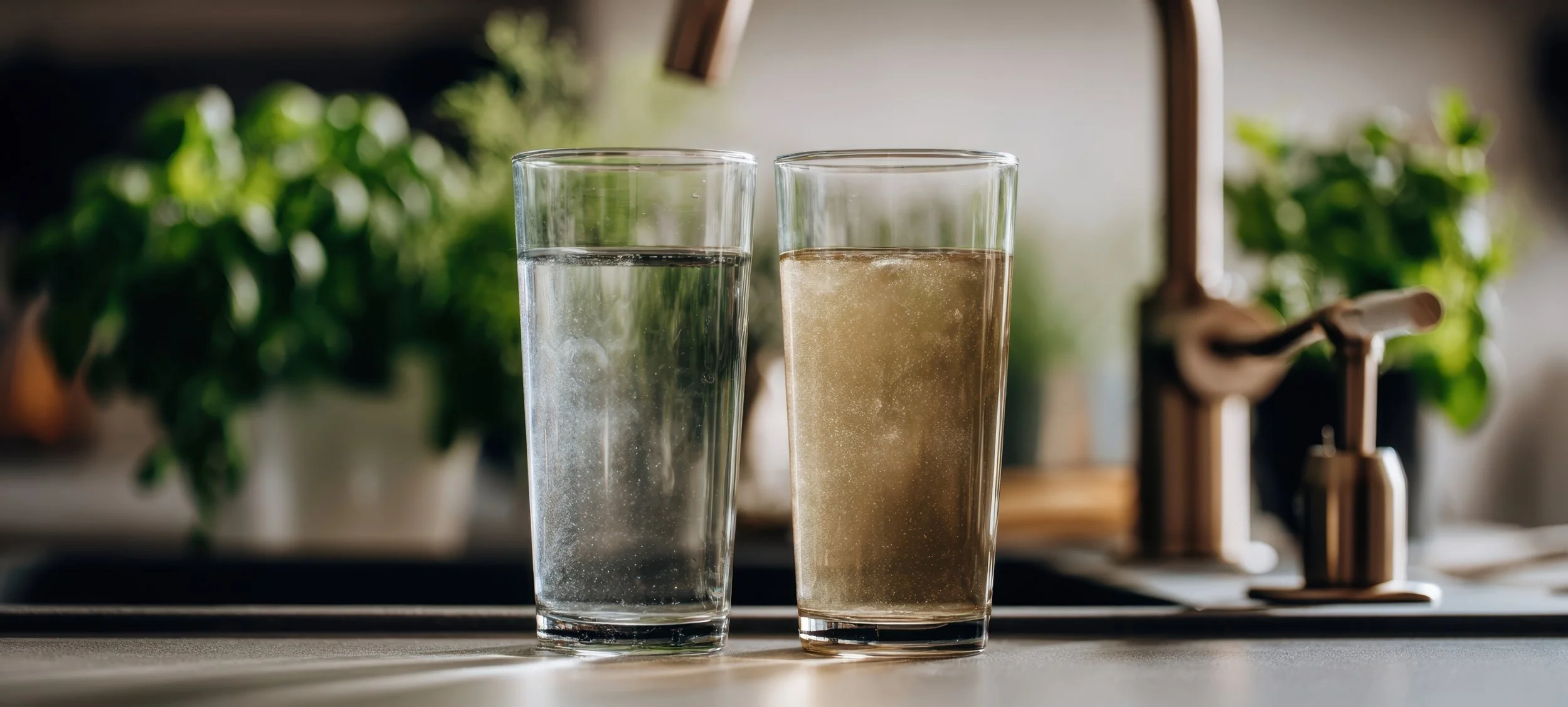
Sediment
Over time, sand, rust and pipe debris can travel through Perth's water network and into your home's plumbing.
These particles can cause:
• Cloudy water
• Blocked tap aerators and showerheads
• Wear on plumbing fixtures
• Sediment build-up inside appliances
The SedimentShield filter captures these particles before they reach your plumbing, helping protect your home's water quality and appliances.
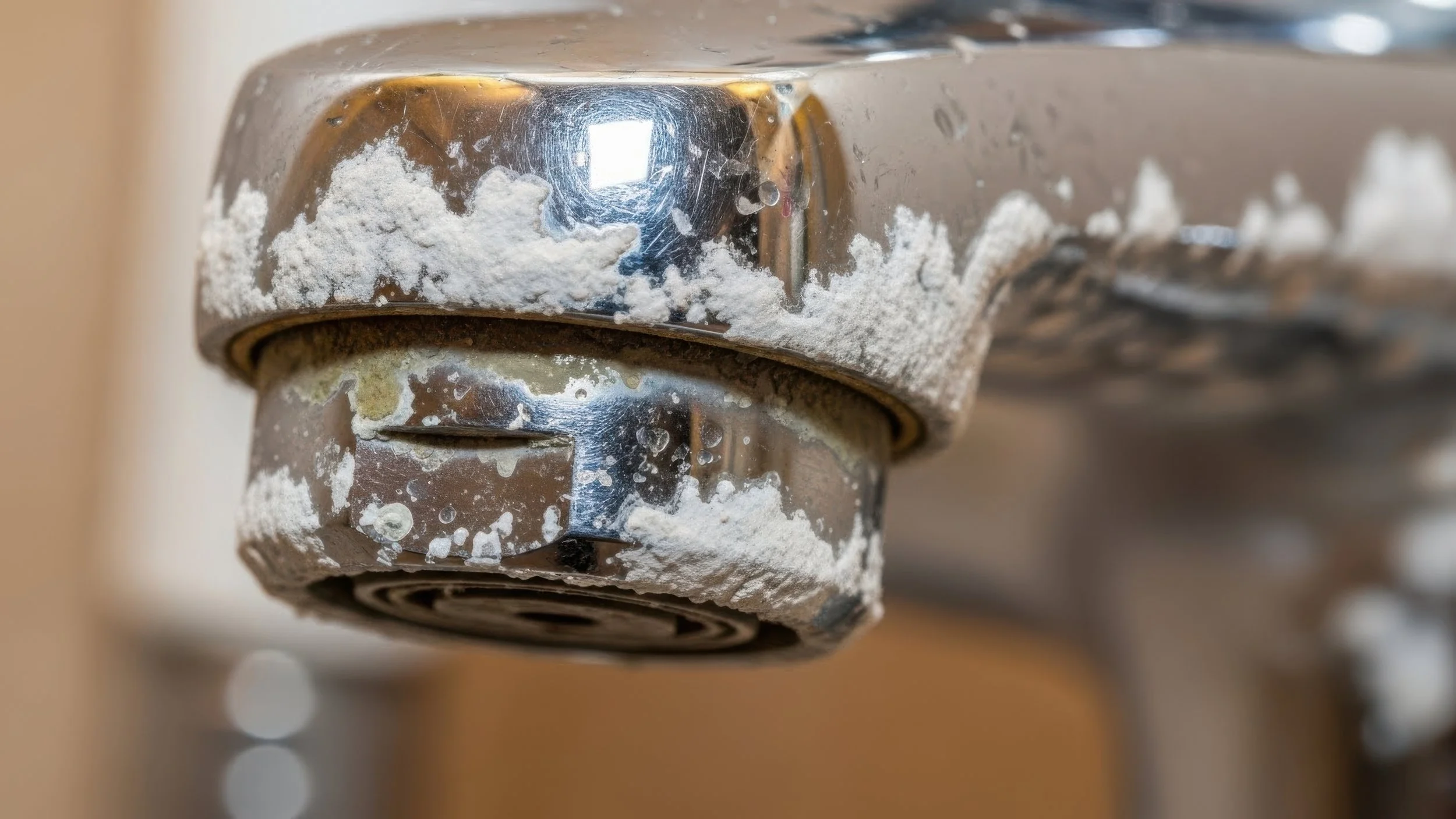
Hard Water
Perth water is typically considered moderately hard to hard, with mineral levels commonly around 120–180 mg/L.
Hard water can cause:
• White scale build-up on taps and shower screens
• Reduced hot water system lifespan
• Scale inside kettles and dishwashers
• Soap and shampoo not lathering well
Anti-scale filtration helps reduce mineral deposits and protect appliances.
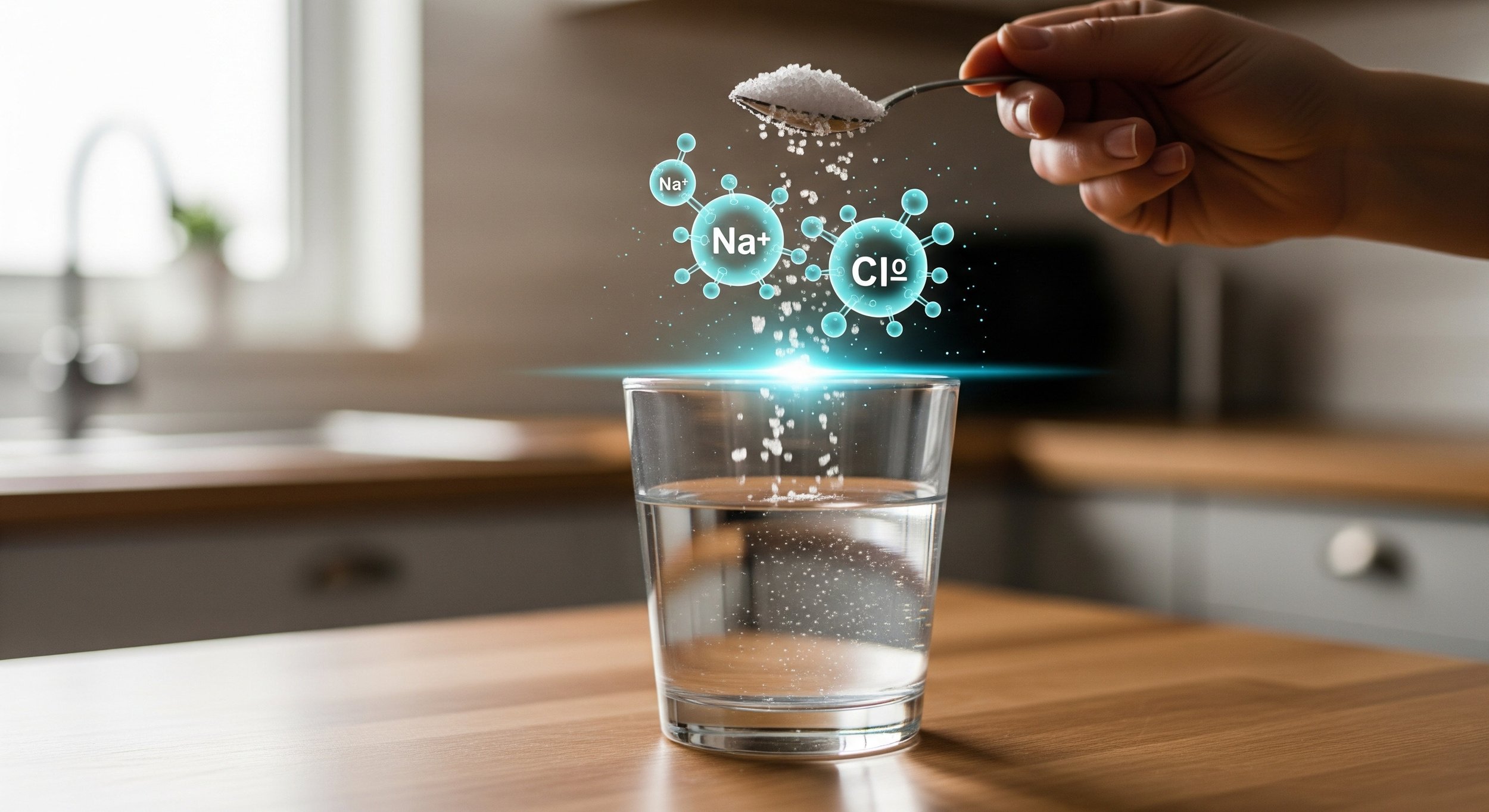
Chlorine
Chlorine is added to disinfect drinking water as it travels through the distribution system. While essential for safety, it can cause:
• Strong taste and smell
• Dry skin and hair
• Reduced taste quality for tea, coffee and cooking
Chlorine levels in Perth drinking water are allowed up to 5 mg/L, with taste often noticeable from around 0.7 mg/L.
Whole-home carbon filtration helps significantly reduce chlorine throughout the house.
Understanding Perth's Water Supply
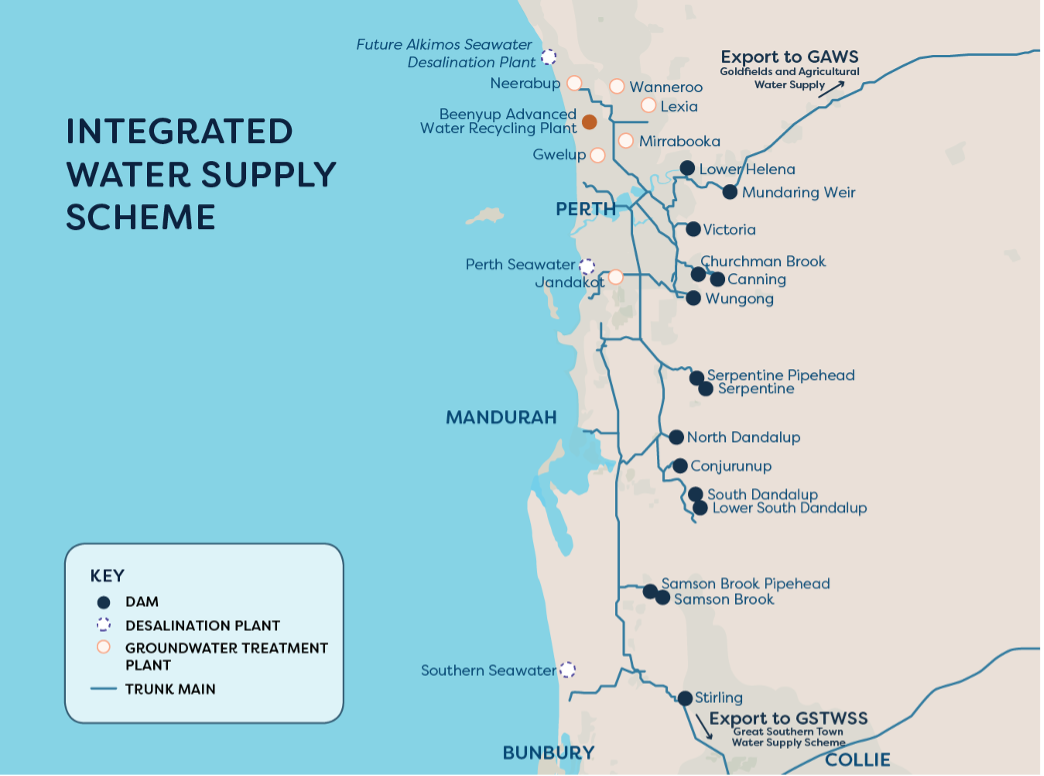
According to the Water Corporation, Perth's drinking water comes from four main sources: dams, desalination plants, groundwater treatment plants, and groundwater replenishment plants. These different sources help ensure a reliable water supply for Western Australia.

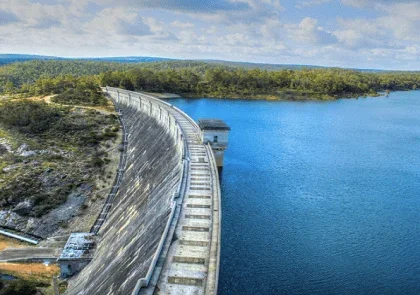
Dams
Dams collect rainfall in catchment areas located in the Perth Hills. Water from these reservoirs is treated at water treatment plants to remove natural materials such as sediment and organic matter before entering the drinking water network.
Dam water is generally lower in minerals, but it can contain natural organic material from vegetation in the catchment area.
Perth's dams include: Canning Dam, Churchman Brook Dam, North Dandalup Dam, South Dandalup Dam, Harding Dam, Harvey Dam, Mundaring Weir, Serpentine Dam, Serpentine Pipehead Dam, Victoria Dam, Wellington Dam, and Wungong Dam.
Photo: Canning Dam
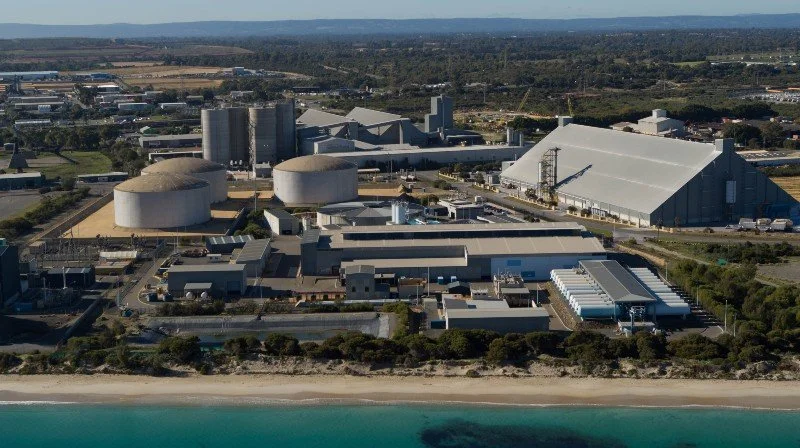
Desalination Plants
Photo: Kwinana Desalination Plant
Desalination plants produce drinking water by removing salt and impurities from seawater using advanced reverse-osmosis membranes.
This process creates very clean water, which is then stabilised with minerals before being supplied to homes.
Desalination is now one of Perth's most reliable water sources because it does not depend on rainfall.
Perth's two desalination plants are located in Kwinana and Binningup, with a third plant being built in Alkimos, with first water production planned for 2028.
Groundwater Treatment Plants
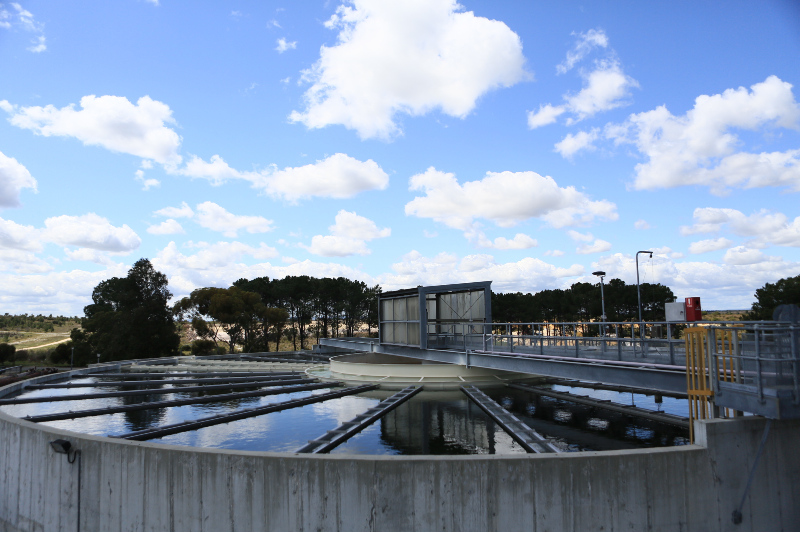
Groundwater treatment plants extract water from underground aquifers beneath Perth.
This water has naturally filtered through layers of soil and rock over many years. Before entering the supply system, it is treated to remove impurities and ensure it meets drinking water standards.
Groundwater often contains higher levels of minerals, which can contribute to hard water in some areas.
Perth's six groundwater treatment plants are located in Neerabup, Wanneroo, Gwelup, Mirrabooka, Lexia, and Jandakot. plants are located in Neerabup, Wanneroo, Gwelup, Mirrabooka, Lexia and Jandakot.
Groundwater Replenishment Plants
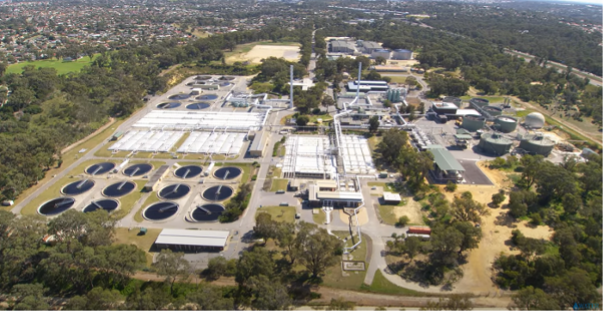
Groundwater replenishment is an advanced water recycling process used in Western Australia.
Highly treated wastewater is purified to drinking water standards and then injected deep underground into natural aquifers. This stored water can later be extracted and used as part of Perth's drinking water supply.
This process helps secure Perth's long-term water supply and reduce reliance on rainfall.
Perth's first groundwater replenishment plant is located in Craigie.
Because of this blend of water sources, the mineral content and treatment process can affect how water tastes, smells, and behaves in your home.
Water Filtration Across Perth
Professionally installed whole-home water filtration systems for homes across the Perth metropolitan area.
From Cockburn and Fremantle to Applecross, Cottesloe, South Perth and beyond, ClearHaven proudly provides premium whole-home water filtration systems throughout the Perth metropolitan area. Every installation is personally completed by Jade, ensuring exceptional workmanship, beautiful integration and cleaner water designed specifically for Perth's unique water conditions.