
How Perth’s Water Affects Your Skin, Hair & Allergies
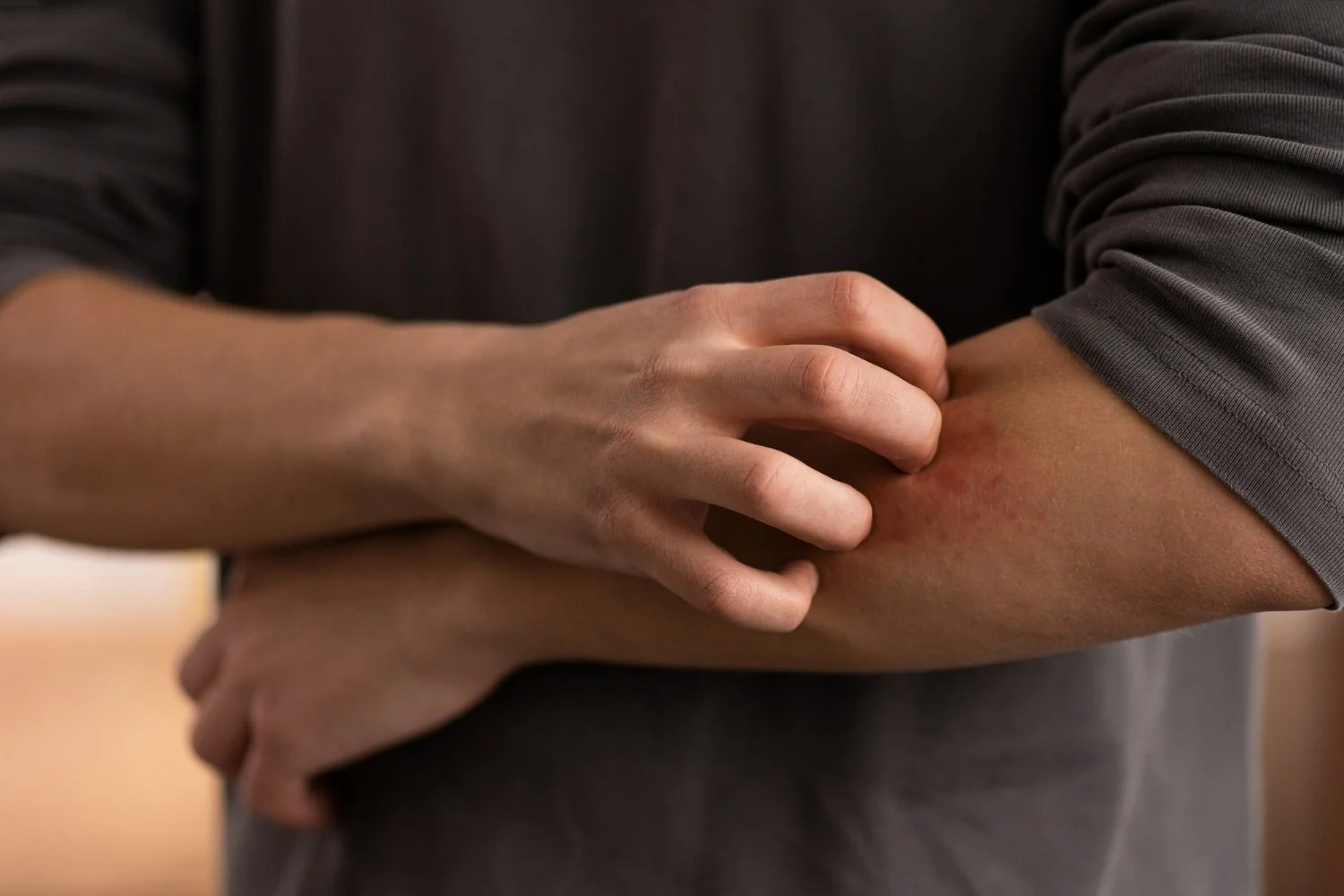
If you’ve ever stepped out of the shower in Perth and noticed dry, itchy skin or tightness — you’re not imagining it.
Perth’s water can have a real impact on your skin, hair, and even allergy symptoms. Understanding why comes down to what’s actually in the water coming through your taps.
💧 What’s in Perth’s water?
Perth’s mains water is treated to make it safe, but it still contains:
Chlorine – used to disinfect
Hard minerals like calcium and magnesium
Sediment from pipelines
While safe to drink, these can be harsh on your body with daily exposure — especially through showers.
🚿 How chlorine affects your skin
Chlorine doesn’t just clean water — it also strips away your skin’s natural oils.
This can lead to:
Dry, flaky skin
Irritation and redness
Worsening of conditions like eczema
When you shower in warm water, chlorine can also turn into vapour — meaning you’re breathing it in as well as absorbing it through your skin.
🧴 The link to allergies & sensitivity
For people with sensitive skin or allergies, Perth’s water can make things worse.
You might notice:
Itchy skin after showering
Increased skin sensitivity
Dry scalp or dandruff
Irritated eyes
This is especially common in children and people already prone to skin conditions.
⚙️ Hard water & its impact on hair
The minerals in Perth’s hard water can:
Leave residue on your hair
Make it feel dry or brittle
Reduce the effectiveness of shampoo and conditioner
Over time, this build-up can be hard to remove without proper filtration.
✅ A better solution for your home
A whole home water filtration system reduces chlorine, sediment and mineral impact at the source — before it reaches your taps.
That means:
Softer feeling skin
Healthier hair
Reduced irritation and dryness
A better shower experience every day
It’s not just about drinking water — it’s about what your body is exposed to daily.

Pure water from every tap 💧