
Hard Water in Perth: What It Does to Your Home
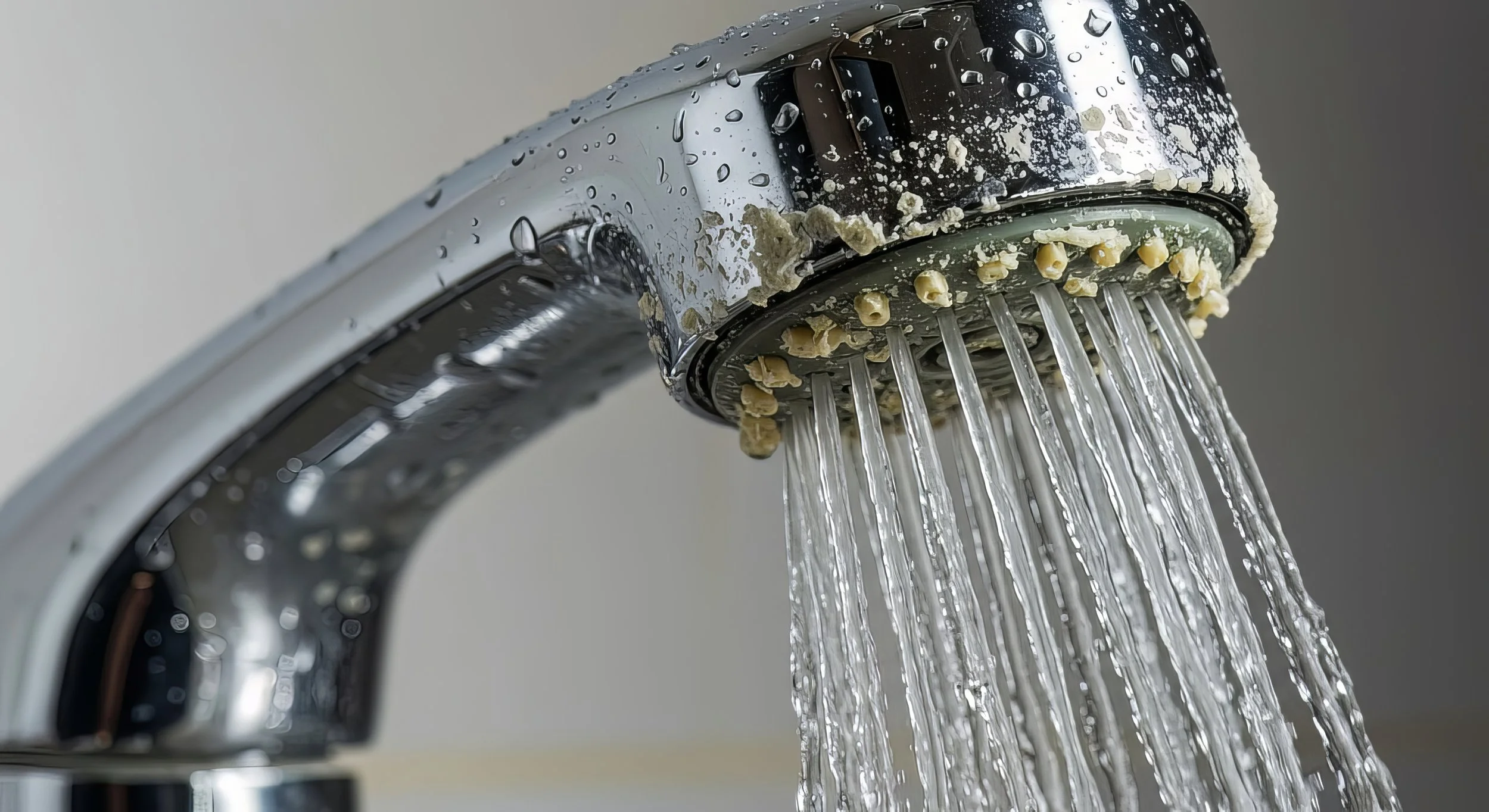
If you live in Perth, there’s a good chance you’ve come across it — that white, chalky residue on your taps, shower screens, or kettle.
That’s hard water.
While Perth’s water supply is treated and safe to use, it often contains higher levels of dissolved minerals like calcium and magnesium. These minerals are what make water “hard,” and over time, they can have a noticeable impact on your home, your appliances, and your day-to-day living.
Most people don’t realise how much their water quality affects their home — until the signs start to show.
What Is Hard Water?
Hard water refers to water that contains elevated levels of minerals, primarily:
Calcium
Magnesium
These minerals are naturally picked up as water moves through soil and rock before reaching your home.
Perth’s water supply — especially groundwater — tends to be on the harder side compared to other regions in Australia.
While hard water isn’t harmful to drink, it can create a range of issues inside your home over time.
The Most Common Signs of Hard Water in Perth Homes
Hard water doesn’t always make itself obvious straight away, but once you know what to look for, the signs are hard to miss.
1. White Build-Up on Taps and Fixtures
That chalky, white residue you see around taps, shower heads, and sinks is called limescale.
It forms when mineral-rich water dries on surfaces, leaving deposits behind.
2. Shower Screens That Never Stay Clean
If your shower screen constantly looks cloudy or streaky, even after cleaning, hard water is usually the cause.
Minerals cling to glass surfaces, making them harder to keep clear.
3. Kettle and Coffee Machine Build-Up
Appliances that heat water tend to show the effects of hard water quickly.
You may notice:
White residue inside kettles
Scale build-up in coffee machines
Reduced efficiency over time
4. Reduced Water Pressure
Over time, mineral deposits can build up inside pipes and fittings.
This can restrict water flow, leading to reduced pressure — especially in showers and taps.
5. Appliances Wearing Out Faster
Hard water doesn’t just affect what you see — it impacts what’s happening behind the scenes.
Appliances like:
Dishwashers
Washing machines
Hot water systems
can all be affected by mineral build-up, leading to increased wear and reduced lifespan.
What Hard Water Does to Your Home Over Time
Hard water isn’t usually a sudden problem — it’s a gradual one.
But over months and years, it can lead to:
Ongoing Cleaning Issues
You may find yourself constantly:
Scrubbing shower screens
Wiping down taps
Using stronger cleaning products
Even then, the results don’t last long.
Higher Maintenance Costs
As build-up increases, so does the strain on your plumbing and appliances.
This can lead to:
More frequent servicing
Repairs
Early replacements
Reduced Efficiency
Appliances affected by scale build-up often require more energy to operate.
For example, a hot water system with internal scaling has to work harder to heat water.
Hard Water and Everyday Living
Beyond maintenance and cost, hard water also impacts your daily routines.
You might notice:
Soap not lathering as well
Clothes feeling stiff after washing
Dishes not coming out as clean
These small frustrations add up over time.
Why This Is Common in Perth
Perth’s water supply is unique, relying heavily on groundwater and desalination.
While this ensures a reliable supply, it also means:
Higher mineral content in some areas
Greater likelihood of hard water issues
This is why hard water is such a common concern across Perth homes.
How Water Filtration Helps
A whole house water filtration system can help reduce the impact of hard water by treating water before it enters your home.
This means:
Less mineral build-up on surfaces
Reduced strain on appliances
Cleaner water throughout your home
While not all systems are designed specifically as softeners, high-quality filtration systems can significantly reduce sediment and improve overall water quality.
The Long-Term Benefits
Improving your water quality isn’t just about fixing visible issues — it’s about protecting your home long-term.
With better water, you can:
Reduce cleaning time
Extend the life of appliances
Maintain the appearance of fixtures
Improve overall home comfort
For many Perth homeowners, it’s a practical upgrade that delivers ongoing value.
Is Hard Water Something You Should Address?
If you’re seeing:
White residue around your home
Constant cleaning issues
Appliance build-up
Reduced water performance
Then hard water is likely playing a role.
While it’s not dangerous, it’s something that can quietly affect your home over time.
Final Thoughts
Hard water is a common part of life in Perth — but that doesn’t mean you have to live with the downsides.
Understanding what it does to your home is the first step.
From visible build-up to hidden wear inside your plumbing, the effects are real — and they add up.
By improving your water quality, you’re not just making things look better — you’re protecting your home, your appliances, and your day-to-day living experience.
Thinking About Improving Your Water Quality?
If you’re noticing the signs of hard water in your home, the next step is simple.
A quick look at your setup can help determine:
What’s affecting your water
The best solution for your home
A clear, fixed cost
👉 Feel free to send through a couple of photos or get in touch — happy to help 👍